This question is part of a structured FAQ library covering zone strength, entries, failures, timing rules, and trade management.
View all Supply & Demand FAQs →Hi PAN, thank you very much for the answer.
To be honest, the distance of the market from the zone troubles me more – especially when there are so many opportunities to create the liquidity for the bank traders: false breaks of swing highs/lows creating swings in a chop market, which form solid SR lines, which can be used for false breaks => sucking the breakouters liquidity into the market, creating false short time momentums against the direction, which bank traders want to go => sucking trendfollowers liquidity into market, and on and on….
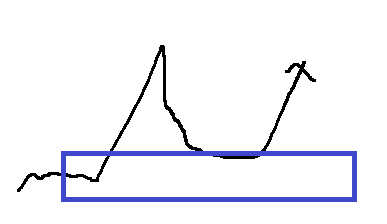
What I am trying to say is, that when the market is distant enough from its original zone, it seems to me that bank traders have so many different opportunities to create the needed liquidity from zones, that they might not have to bother with moving the market all the way to the zone. Personaly, at the moment I
x
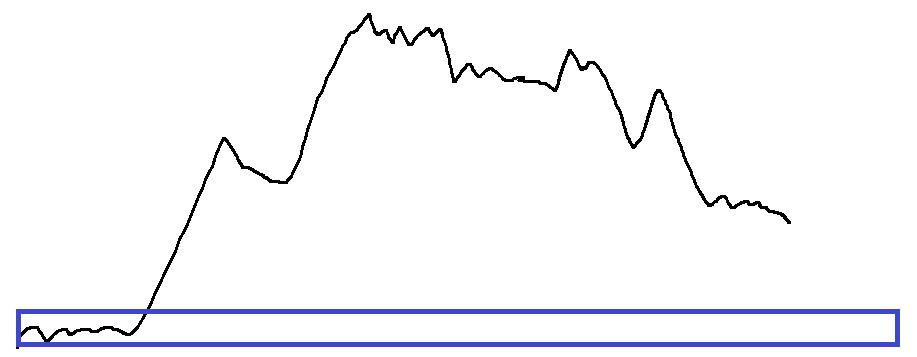
But when the market looks more like this: somehow, I am a bit reluctant to expect, that this zone is still valid and after all that price action far away from the zone, bank traders would realize that they don’t have enough positions and would like to return all the way to the zone.
They had plenty of occasions to lurk breakout traders and trend followers into various traps and capitalize on this liquidity.
It often seems to me more probable, that in such cases they took their profit the zone is not valid. But I do not mean it as a statement, but more like my confusion when reading the price action. Why would they dance so much far away from the zone, and only then want to return to the zone for the rest of the unplaced positions?
Do you have experiences that the zones are still alive even after such distant price actions?
I would be gladful for the answers and also for the info about some another upcoming ebook? 🙂 I’d like to buy it. The ebooks so far gave me a lot, especially the commented charts helped me to view the markets from the aspect of bank trader.
Thank you very much and thanks for your vision and project.
My Response:
I’d say sticking to trading the returns into the zone seems to be your best bet. But the timing of the return is doing more work than the return itself, so let me break that down.
Why returns into the zone are the cleaner setup
The reason is simple: these returns usually happen right after the creation of the zone.
That timing is what makes them tradeable. If the market returns to the zone shortly after it forms, the institutional orders behind the zone are still likely to be there — the banks placed them, price moved away briefly, and price is now coming back to where those orders sit. You’re trading into live interest.
That’s a very different situation from a return that takes a long time to arrive. By then, the orders may have been filled, the interest may have been absorbed, and what looked like a zone on your chart is now just a level the market has already moved on from.
On the zones in your second image
When you look at the zones in your second image, you’ll notice the returns take a while. That delay is the problem, not the return.
And as you’ve rightly pointed out, it seems counterintuitive for banks to push the market back into the zone — especially after having plenty of opportunities to generate liquidity by other means, like trapping breakout traders and trend traders.
Think about it from the banks’ side. If they wanted to fill orders at that level, they had plenty of chances to do so while the market was still near it. By the time the return arrives, they’ve had many other opportunities to generate the liquidity they need — and if they’ve already got what they wanted, there’s no reason for them to come back. A delayed return isn’t the banks filling orders. It’s much more likely to be price drifting to a level that used to matter, with nothing behind it anymore.
What this means in practice
So the rule I’d suggest is:
- Trade returns that arrive soon after the zone forms. The interest is likely still there, and the setup is clean.
- Be cautious about returns that take a while. The further the zone sits from the moment it was created, the more likely the interest behind it has been consumed.
- Don’t assume the zone is valid just because price came back to it. The return can happen for structural reasons unrelated to the original institutional interest. What makes the zone worth trading is whether the orders behind it are still unfilled.
The underlying idea: the clock is the filter. Zone age matters not because of some arbitrary rule, but because time is a rough proxy for whether the institutional interest behind the zone is still live. Short return — probably still there. Long return — probably already gone.
Hope this helps!
PAN.
Related Posts
View all posts →What Are Your Entry Criteria For Entering SD Trades?
Learn the specific conditions for entering trades, including using engulfing candles on lower timeframes, stop loss placement just beyond zone edges, and holding to major reversal points.
How Do The Smart Money Place Orders To Create Supply And Demand Zones?
Understand the logic behind bank order placement, why zones form, and the crucial difference between banks matching retail orders versus driving price to create zones.
Why Do Banks Sometimes Take Long To Make Price Return To SD Zones?
Explore why banks may delay returning to a zone, the role of liquidity creation through false breaks, and when a zone may no longer be valid after extended price action.
How Do You Determine If SD Zone Has Formed Due To Profit Taking
Identify key patterns like pauses, mini-retracements, and new highs/lows that signal a zone was formed by banks taking profits, with examples from the supply and demand book.
Why Do Some Supply And Demand Zones Work Multiple Times?
Discover why certain zones become “buy” or “sell” zones that work repeatedly, the role of substantial order flow, and the debate around time away from the zone as a strength indicator.
Why Does Price Reverse From Some S/D Zones Multiple Times?
Understand the mechanics behind multiple reversals from the same zone, distinguishing between zones used for placing new trades versus taking profits, and how to identify them.